
Dublin Chauffeur Services: Everything You Need to Know

Are you looking for a reliable and comfortable way to travel for business or pleasure? Chauffeur services in Dublin could be the answer to your transportation needs. This article will provide all the information you need about chauffeur services, including what they are, how they work, and why they might be the right choice for you. Table of Contents 1. What are Chauffeur Services? Chauffeur services are private transportation services that provide a professional driver to take you to your desired destination. These services are commonly used for corporate travel, airport transfers, events, weddings, sightseeing tours, and more. Chauffeur services typically offer a range of vehicles, including luxury sedans, SUVs, limousines, and vans. The cars are well-maintained and equipped with air conditioning, comfortable seating, and in-car entertainment systems. 2. Types of Chauffeur Services Different types of chauffeur services are available, depending on your transportation needs. Here are some of the most common types: 3. Benefits of a Dublin Chauffeur Service There are many benefits of using chauffeur services in Dublin for your transportation needs, including: 4. How to Choose a Chauffeur Service in Dublin When choosing a chauffeur service in Dublin, there are several factors to consider, including: 5. Dublin Chauffeur Service Etiquette When using a chauffeur company, there are some etiquette rules to keep in mind to ensure a pleasant and professional experience: 6. What is the difference between a Chauffeur and a Driver While both chauffeurs and drivers operate vehicles to transport people or goods, chauffeurs in Ireland are generally more highly trained, provide a higher level of customer service, and work in more specialised and luxury contexts compared to drivers. 7. Safety and Security of Chauffeur Services Chauffeur services prioritise safety and security, with drivers trained in defensive driving techniques and having a thorough knowledge of the local area. In addition, many services use advanced technology such as GPS tracking and real-time traffic updates to ensure a safe and efficient journey. Some services also conduct background checks and drug tests on their drivers to further enhance safety. 8. Chauffeur Services for Corporate Travel in Dublin Corporate chauffeur services are designed for business travellers who need reliable and professional transportation to and from meetings, events, and airports. These services offer personalised attention and customised solutions to meet the specific needs of corporate clients, with features such as on-board Wi-Fi, power outlets, and conference calling capabilities. 9. Luxury Dublin Chauffeur Services Luxury chauffeur services offer high-end vehicles and personalised service for clients who want a premium transportation experience. These services may include complimentary drinks, on-board entertainment systems, and even a personal concierge to help with any requests or arrangements. 10. Airport Transfers with Chauffeur Services Airport transfer worldwide chauffeur services provide transportation to and from airports, with features such as baggage handling and flight tracking services. These services can save you time and hassle by eliminating the need to find parking, navigate traffic, or deal with public transportation. 11. Hiring a Dublin Chauffeur for Events Chauffeur services are popular for events such as weddings, proms, and other special occasions where you want to arrive in style. These services can provide a range of vehicles to choose from, including luxury sedans, limousines, and party buses. 12. Chauffeur Services for Weddings Chauffeur services can add a touch of luxury and elegance to your wedding day, with a range of vehicles to choose from Why don’t you contact us if you are interested in these services? Contact Form
Hill of Slane
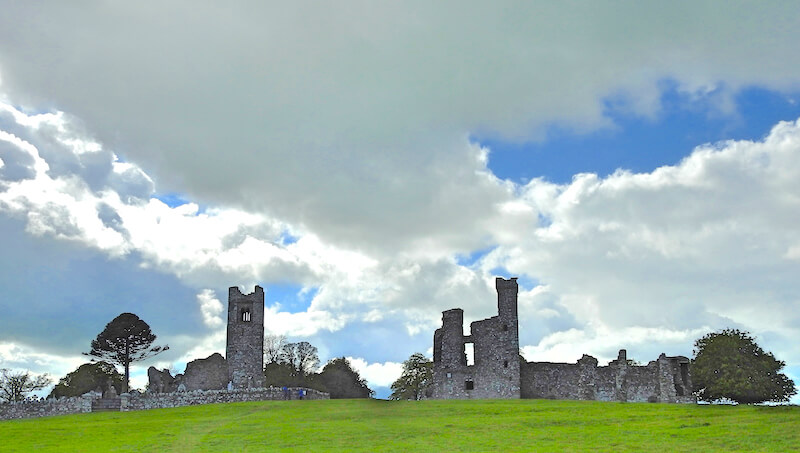
Exploring the Hill of Slane: An Ancient Gem in the Boyne Valley The Hill of Slane, a prominent landmark in County Meath, Ireland, is steeped in mythology, history, and cultural significance. Rising 158 meters above the surrounding countryside, this ancient hill has been strategically important for millennia, offering panoramic views across the rich historical landscape of the Boyne Valley. Table of Contents Mythological Origins and the Fir Bolg According to Irish mythology, the Hill of Slane, known as Dumha Slaine, is believed to be the burial place of Slaine mac Dela, the legendary King of the Fir Bolg. This ancient tribe is said to have inhabited Ireland before the arrival of the Tuatha Dé Danann and the Milesians, adding to the site’s mythical allure. The hill’s elevated position and commanding views over the surrounding area have long made it a place of strategic importance, attracting settlers and rulers throughout history. Its mythological associations with ancient kings and tribes further enhance its mystique and cultural significance. Early Archaeological Discoveries Recent archaeological investigations by Dr Conor Brady and the Hill of Slane Archaeological Project have shed light on the site’s rich history. Geophysical and topographical surveys have revealed fascinating features, including: These early archaeological findings confirm the Hill of Slane’s significance as an important settlement and ceremonial site for ancient communities, further solidifying its place in Ireland’s rich cultural heritage. St. Patrick’s Defiant Paschal Fire One of the most famous legends associated with the Hill of Slane is the story of St. Patrick lighting the Paschal fire on Easter Eve in AD 433. According to the tale, Patrick sought to challenge the old pagan beliefs by lighting a massive fire on the hill, defying the orders of the High King Laoghaire, who had decreed that no fires should be lit before lighting the royal fire on the Hill of Tara. While the historical accuracy of this legend is debated, it remains a significant part of Irish folklore. It highlights the Hill of Slane’s connection to the arrival of Christianity in Ireland. The legend has become an integral part of the site’s cultural identity. It attracts visitors from around the world who wish to experience the place where St. Patrick is said to have performed miracles and converted many to Christianity. The Monastic Settlement’s Ruins The Hill of Slane’s significance continued into the early Christian era, with the establishment of a monastery by St. Erc, a follower of St. Patrick, in the 6th century. The Annals of Ireland mention Slane as an essential centre of early Irish law, and the site was subjected to several Viking raids, further attesting to its strategic importance. Today, visitors can explore the remains of this monastic settlement, including: The college, constructed around an open quadrangle, features architectural elements such as staircases, fireplaces, window mouldings, and a double garderobe, providing a glimpse into the daily lives of the monastic community. The Enigmatic Motte and Norman Influence A large motte, or a steep-sided earthen mound, stands outside the main enclosure and graveyard, demonstrating the strategic importance of the hill’s panoramic views. This motte is believed to have been raised during the early phase of the Anglo-Norman incursions into Ireland, as mentioned in the “Song of Dermot and the Earl.” However, some scholars, like Professor Tadhg O’Keeffe of University College Dublin, have suggested that this motte may be a rare example of a pre-Norman motte raised by an Irish king or noble as a place of inauguration and ceremony. This theory is based on the idea that the Irish elite had already been influenced by European architectural styles, as evidenced by the proliferation of Romanesque-style churches, and may have adopted the Northern European tradition of earthen castle building. While the exact origin of the motte on the Hill of Slane remains uncertain, its presence highlights the site’s strategic significance and the influence of different cultures and architectural styles throughout its history. Slane Castle: A Magnificent Estate No visit to the Hill of Slane would be complete without exploring the nearby Slane Castle, a magnificent estate that has played a significant role in the area’s history. The castle, originally built in the 18th century, has been the ancestral home of the Conyngham family for generations. Visitors can explore the castle’s beautifully manicured gardens, attend cultural events, or even stay in the luxurious accommodations offered on the estate. The castle’s rich history and architectural grandeur complement the historical significance of the Hill of Slane, providing a comprehensive experience for those interested in the region’s cultural heritage. Panoramic Vistas of the Boyne Valley One of the Hill of Slane’s most striking features is its panoramic views across the Boyne Valley. From the summit, visitors can take in the breathtaking landscapes, including: These panoramic vistas provide a stunning visual experience and offer a unique perspective on the region’s rich historical tapestry. Visitors can appreciate the hill’s strategic importance and understand why it has been a site of significance for countless generations. Visiting the Hill of Slane: Directions and Tips To visit the Hill of Slane, follow these directions: Tips for visiting: The Hill of Slane is a true gem in County Meath, offering a captivating blend of mythology, history, and cultural significance. From its mythological associations with ancient kings to its role in the arrival of Christianity and its strategic importance throughout the centuries, this site is a must-visit for anyone exploring the rich heritage of the Boyne Valley. For further information and references, visit the Hill of Slane Archaeological Project website and explore the Ancient East Tour Company for more fascinating regional destinations. Contact Form
Discovering the Ancient Wonders of Loughcrew
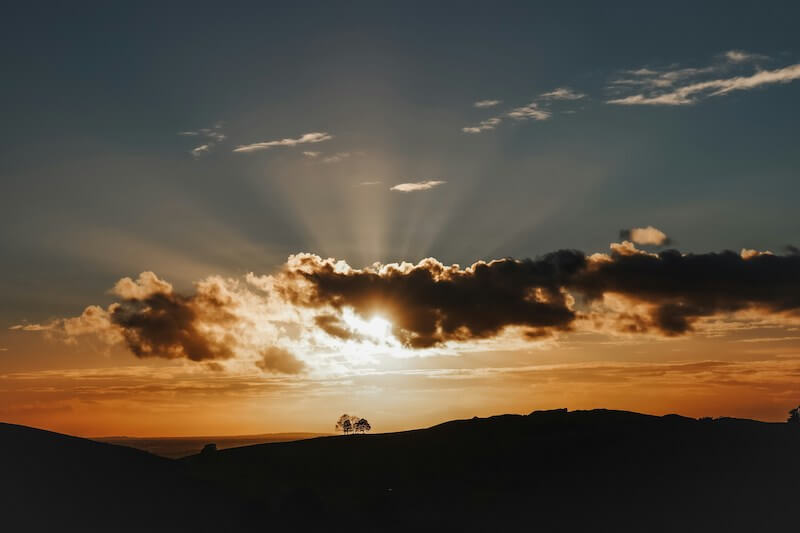
Nestled in County Meath, Ireland’s rolling hills, lies Loughcrew, a site of immense historical significance and enigmatic beauty. This ancient passage tomb complex, often overshadowed by its more famous cousin, Newgrange, holds secrets and stories that span over 5,000 years, reaching back into the Neolithic period. Loughcrew, or Sliabh na Caillí (“Mountain of the Witch”) as it is known in Gaelic, offers a glimpse into Ireland’s ancient past, revealing the sophistication and spirituality of its early inhabitants. A Journey Back in Time Loughcrew’s historical significance is profound, with its construction dating back to approximately 3,300 BC. The complex comprises over 30 passage tombs, making it one of Ireland’s most important prehistoric cemeteries. These tombs were final resting places and sites of astrological, spiritual, and ceremonial importance. Cairn T’s main tomb aligns with the rising sun during the spring and autumn equinoxes, illuminating the chamber’s interior and revealing intricate megalithic art carved into the stones. Cultural Relevance and Spiritual Significance Loughcrew’s cultural relevance transcends its physical presence. It is steeped in mythology and folklore, particularly tales of the Cailleach, or witch, who is said to have created the hills by dropping stones from her apron. This blend of history and myth imbues Loughcrew with a mystical aura, connecting the physical landscape with the spiritual world of ancient Irish culture. Loughcrew’s significance extends beyond its role as a burial site. The complex’s carvings, which include circles, spirals, and other geometric motifs, are among the earliest examples of Neolithic art in Ireland. These symbols, whose meanings remain the subject of scholarly debate, suggest that Loughcrew was a centre of ritualistic and ceremonial activity, possibly related to the cycles of the sun and moon, agricultural practices, or the seasons. Unique Features That Captivate One of the most captivating aspects of Loughcrew is its stunning location. The complex sits atop the highest surrounding hills, offering panoramic views of the Irish countryside. This strategic placement was likely no accident, as it underscores the importance of the site in ancient times, both as a prominent landmark and as a celestial observatory. Visitors to Loughcrew can explore this ancient landscape, walking among the tombs and soaking in the history and mythology that permeates the air. The experience is awe-inspiring and humbling, providing a tangible connection to Ireland’s distant past. The equinox event at Cairn T, where people gather to witness the sunrise illumination, is a particularly magical moment that draws visitors worldwide. A Call to Explore Loughcrew is more than just an archaeological site; it is a testament to the ingenuity and spirituality of Ireland’s ancient people. Its historical significance, cultural relevance, and unique features make it a must-visit for anyone interested in past mysteries. Whether you’re a history buff, a lover of folklore, or simply someone who appreciates the beauty of the natural world, Loughcrew offers a fascinating and enriching experience. So, why embark on a journey to Loughcrew and uncover the secrets of this ancient wonder for yourself? Beyond its stone chambers and mythic tales lies a story of humanity’s connection to the cosmos, waiting to be discovered. Loughcrew FAQ Q: What is Loughcrew? A: Loughcrew, or in Gaelic “Loch Craobh”, is a complex of ancient passage tombs in County Meath, Ireland. It is one of the country’s most significant archaeological sites, famed for its Neolithic tombs, which date back to approximately 3300 BC. The site offers a window into Ireland’s ancient past and breathtaking panoramic views of the surrounding landscape. Q: What is the Gaelic name for Loughcrew, and what does it mean? A: The Gaelic name for Loughcrew is “Loch Craobh”, which translates to “The Lake of the Tree”. This name likely reflects the ancient landscape or specific landmarks significant to those who constructed the tombs. Q: Who owns Loughcrew? A: Loughcrew is a protected heritage site in Ireland, cared for by the Office of Public Works (OPW). The OPW manages its preservation and provides access to the public for educational and recreational purposes. Q: What facilities are available at Loughcrew? A: Facilities at Loughcrew include a car park, walking paths that lead to the tombs, and guided tours, often available during the summer months. Information panels are placed around the site to provide visitors with historical context. However, you are advised to check in advance for the availability of specific facilities and guided tours. Q: How old is Loughcrew? A: The Loughcrew passage tombs are estimated to be over 5,000 years old, with construction believed to have occurred around 3300 BC during the Neolithic period. Q: Can you provide contact details for Loughcrew? A: For the most accurate and up-to-date information, including visiting hours and guided tour availability, it is best to contact the Office of Public Works (OPW) in Ireland directly through their official website or by telephone. Specific contact details may vary, so checking the latest information online is recommended. Q: When were the Loughcrew tombs constructed? A: The Loughcrew tombs were constructed around 3300 BC, making them contemporary with other significant Neolithic sites across Europe. Q: What can visitors see from the panoramic view at Loughcrew? A: From the highest points within the Loughcrew complex, visitors can enjoy unparalleled panoramic views of the Irish countryside. On clear days, it’s possible to see as far as 18 counties, spanning much of Ireland’s lush landscape. The site’s elevation provides a unique vantage point that adds to the mystical and historical ambience of Loughcrew.
Top 7 Tours in The Boyne Valley 2024
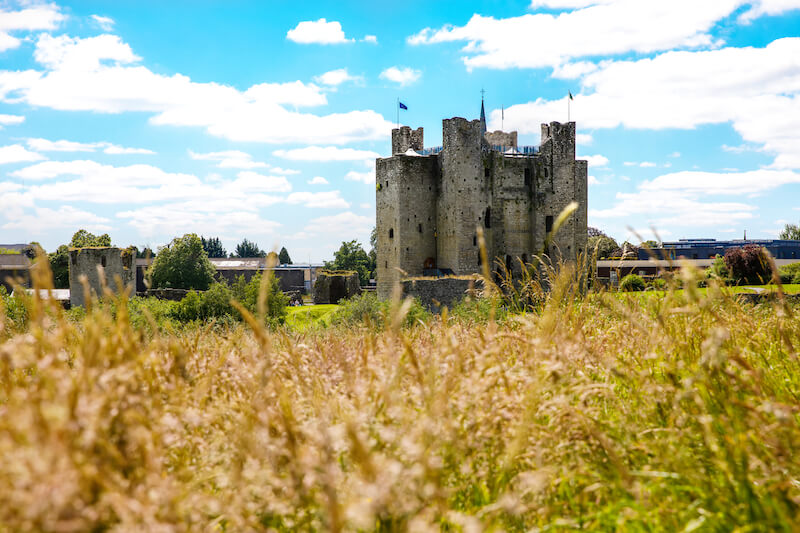
Nestled in the heart of Ireland, the Boyne Valley is a treasure trove of historical wonders, breathtaking landscapes, and rich cultural heritage. From the ancient passage tombs of Brú na Bóinne to the legendary Battle of the Boyne site, this region offers a unique journey through time. Whether you’re a history buff, nature enthusiast, or simply seeking a memorable adventure, the Boyne Valley has something for everyone. Let’s explore the top 7 tours that promise an unforgettable experience in 2024. Brú na Bóinne Visitor Centre Overview: The Brú na Bóinne Visitor Centre is your starting point to explore the UNESCO World Heritage Sites of Newgrange and Knowth. These ancient passage tombs, older than Stonehenge and the Great Pyramids of Giza, are marvels of prehistoric architecture and astronomy. Experience: Guided tours offer exclusive access to the interior of these tombs, where you can witness the famous illumination of Newgrange’s chamber by the winter solstice sun. The visitor centre provides interactive exhibits detailing the archaeological significance and history of the area. Unique Features: The chance to stand inside Newgrange during the winter solstice sunlight alignment is a once-in-a-lifetime experience. Opening Times: Open daily from 9:00 AM to 5:30 PM—special extended hours for the winter solstice. Prices: Adults €18, Seniors €14, Children/Students €12, Family (2 adults + 2 children) €48. Battle of the Boyne Visitor Centre Overview: Immerse yourself in the pivotal moment in Irish history at the Battle of the Boyne site. The visitor centre in the restored 18th-century Oldbridge House offers insights into this 1690 battle that shaped the course of Irish and European history. Experience: Walk through interactive exhibits, watch a captivating 3D battle reenactment, and explore the beautifully landscaped gardens. Guided tours of the battlefield provide a detailed account of the strategies and outcomes of the conflict. Unique Features: The annual reenactment event brings history to life, offering a dramatic glimpse into the past with actors, horses, and cannon fire. Opening Times: Open daily from 9:30 AM to 4:30 PM. Prices: Adults €10, Seniors €8, Children/Students €6, Family (2 adults + 2 children) €28. Trim Castle Tours Overview: Step into the world of medieval Ireland with a guided tour of Trim Castle, the largest Anglo-Norman castle in Ireland. Featured in the film “Braveheart,” this imposing structure offers breathtaking views and a rich history. Experience: Discover the castle’s storied past, from its construction in the 12th century to its role in historical conflicts. The tour includes access to the keep, the castle grounds, and the medieval town of Trim. Unique Features: The keep’s rooftop offers unparalleled views of the Boyne Valley, perfect for photography enthusiasts. Opening Times: Open daily from 10:00 AM to 6:00 PM (March to October). Prices: Adults €8, Seniors €6, Children/Students €4, Family (2 adults + 2 children) €20. Loughcrew Cairns Guided Tours Overview: Loughcrew Cairns, also known as Sliabh na Caillí, is a lesser-known gem comprising a Neolithic passage tombs. These ancient structures are set against the stunning backdrop of the Loughcrew hills. Experience: A guided tour offers insights into the Cairns’ history, construction, and astronomical alignment. Visitors can explore the interior of Cairn T, known for its intricate stone carvings and alignment with the equinox sunrise. Unique Features: The Loughcrew Equinox Festival, where visitors can witness the sunrise illumination of the tomb’s interior, is a magical experience. Opening Times: Open daily from 10:00 AM to 5:30 PM (March to September). Prices: Free entry; guided tours €5 per person. Slane Castle Tours Overview: Slane Castle stands majestically on the banks of the River Boyne, boasting a history that stretches over centuries. The castle has been the family seat of the Conyngham family since the 18th century. It is renowned for its architectural beauty and historical significance and as a venue for legendary music concerts. Experience: The guided tour of Slane Castle immerses visitors in its history, with stories of its architecture, family lineage, and the famous musicians who have graced its grounds. Each room tells a different story and is adorned with art and antiques collected over generations. Unique Features: The Castle is famed for its music concerts, hosting acts like U2, the Rolling Stones, and Madonna. The tour provides an exclusive glimpse into these events and the castle’s role in music history. Opening Times: Open from March to October, tours run from 10:00 AM to 5:00 PM, with the last tour at 4:00 PM. Prices: Adults €15, Seniors/Students €12, Children (5-12 years) €7, Family (2 adults + 2 children) €40. Slane Distillery Tours Overview: Nestled within the 250-year-old stables of Slane Castle, Slane Distillery is a state-of-the-art facility that crafts the unique Slane Irish Whiskey. The distillery tour offers an in-depth look at the whiskey-making process, from grain to glass. Experience: Visitors will learn about the triple-casked process that gives Slane Whiskey its distinctive flavour. The tour includes visiting the barley fields, fermentation rooms, and copper pot stills, culminating in a whiskey-tasting session. Unique Features: The distillery’s sustainability efforts are a vital focus, emphasising local sourcing and energy efficiency. The tasting experience in the stables’ beautifully restored spaces is a highlight, offering a taste of Slane Whiskey’s complex flavours. Opening Times: Open year-round, tours run from 10:00 AM to 6:00 PM, with the last tour at 5:00 PM. Prices: Tour and Tasting: Adults €25, includes a guided tour and a tasting of Slane Irish Whiskey. Hill of Slane Tours Overview: The Hill of Slane is steeped in legend and history. It is best known as the site where St. Patrick lit the Paschal fire in defiance of the High King of Tara, marking the beginning of Christianity in Ireland. This ancient site features the ruins of a friary church and college alongside a medieval motte. Experience: While there’s no formal tour, visitors can explore the site freely, walking among the ruins and enjoying panoramic views of the Boyne Valley. Interpretative panels provide historical context, making it a self-guided learning experience. Unique Features: The Hill of Slane offers breathtaking views at sunset, making it a perfect spot for photography. The site’s historical and spiritual significance adds depth to the visit, connecting visitors with Ireland’s ancient past. Opening Times: Accessible year-round, 24 hours a day. Prices: Free entry. Each of these
How much does it cost to visit Newgrange?
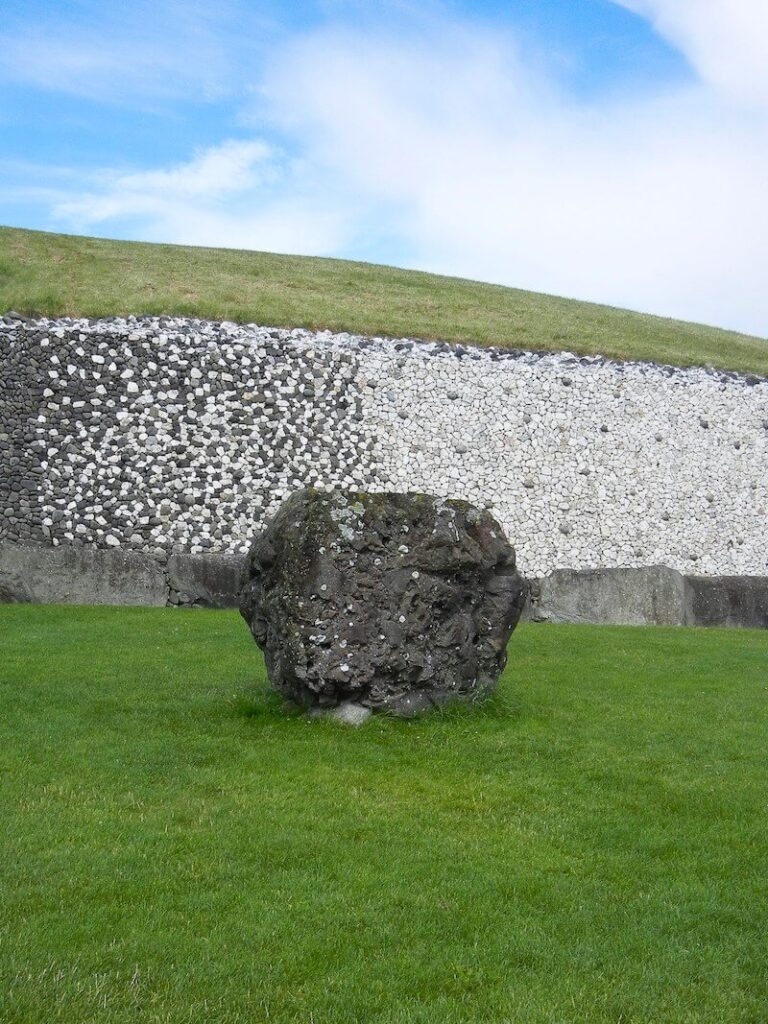
So, how much does it cost to visit Newgrange? Newgrange, a colossal prehistoric tomb in Ireland, whispers tales of a bygone era, beckoning travellers with its mystique and architectural marvels. But before embarking on this historical odyssey, we should shed light on the practicalities: the cost of unlocking the Newgrange ticket price. Beyond the Numbers: Unveiling the Magic Now, let’s delve into the true essence of Newgrange. This UNESCO World Heritage Site dates back to 3200 BC, predating even the Great Pyramids! Imagine a civilisation crafting such a masterpiece without modern tools. The intricate passage tomb aligns perfectly with the winter solstice sunrise, illuminating the inner chamber with an ethereal glow – a testament to their astronomical knowledge. A Journey Through Time: Step inside the tomb and feel the weight of history pressing upon you. Carved megaliths adorned with enigmatic symbols whisper stories yet untold. Each stone and passage speaks of a civilization attuned to the cosmos, their beliefs etched in stone for eternity. Explore the exhibition at the visitor centre to gain deeper insights into their lives, rituals, and the significance of Newgrange. A Traveler’s Tips: The Allure of Newgrange: Newgrange is more than just a monument; it’s a portal to a forgotten era. It reminds us of human ingenuity and our enduring connection to the cosmos. At the same time, the cost might seem like a barrier, but consider it an investment in an unforgettable journey through time. So, pack your bags, embrace the mystery, and prepare to be awestruck by the magic of Newgrange. Remember, the true treasures of Newgrange lie not in its price tag but in the stories it whispers and the emotions it evokes. Let this ancient wonder ignite your curiosity and leave you with a sense of wonder long after your visit. P.S. Remember to share your Newgrange experience in the comments below! Inspire others to embark on their historical adventure. Contact Form
The Boyne Valley-Frequently Asked Questions
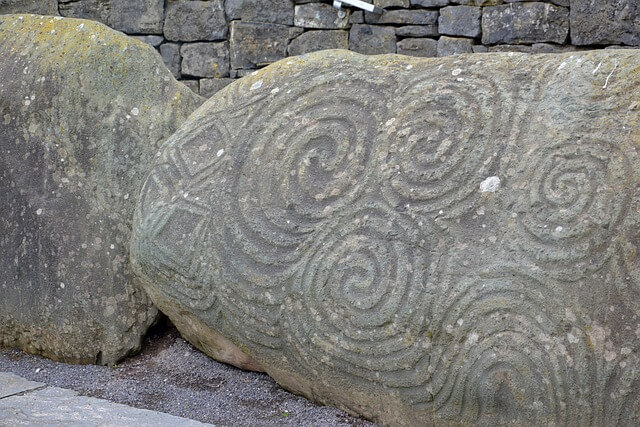
Is Boyne Valley worth visiting? The Boyne Valley is undoubtedly worth visiting for its rich tapestry of history, culture, and stunning landscapes. This area, steeped in ancient Irish history, is home to UNESCO World Heritage Sites such as Brú na Bóinne and significant historical landmarks like the Battle of the Boyne site. The blend of cultural heritage, scenic beauty, and the warmth of its towns and villages make the Boyne Valley a captivating destination for travellers. How long is the Boyne Valley Drive? The Boyne Valley Drive stretches approximately 225 kilometres, winding through the picturesque landscapes and heritage sites of the Meath and Louth counties. This scenic route offers travellers a journey through Ireland’s Ancient East, passing by castles, Neolithic tombs, and quaint villages, making it a memorable journey of discovery. What towns are in the Boyne Valley? The Boyne Valley encompasses several charming towns and villages, each with unique character and historical significance. Notable towns include Drogheda, known for its medieval streetscape; Navan, the heart of the Boyne Valley; Kells, famous for the Book of Kells; and Trim, home to the majestic Trim Castle. Is Brú na Bóinne worth visiting? Brú na Bóinne is worth visiting. It’s a World Heritage Site and one of the most important prehistoric landscapes in the world. The area is renowned for its megalithic passage tombs – Newgrange, Knowth, and Dowth- dating back to the Neolithic period. The site offers a fascinating glimpse into ancient history and is known for its archaeological significance and striking megalithic art. Should I visit Newgrange or Knowth? You can choose between Newgrange and Knowth depending on your interests. Newgrange is famous for its winter solstice illumination and is generally more well-known. Knowth, while less visited, boasts the most extensive collection of megalithic art in Western Europe. Both sites offer unique insights into Neolithic Ireland, so visiting both would provide a more comprehensive experience if time allows. Can you visit Newgrange without a tour? Access to the interior of Newgrange is only through guided tours, which start at the Brú na Bóinne Visitor Centre. The structure of the tours is to preserve the site and provide detailed information about its history and archaeology. However, you can walk outside the tomb and visit the visitor centre without a guided tour. Is Bru na Boinne older than the Pyramids? Brú na Bóinne, specifically Newgrange, is older than the Egyptian Pyramids. Newgrange was constructed around 3200 BC, making it over 5,000 years old, while the Pyramids of Giza were built around 2580 – 2560 BC, making Newgrange at least 600 years older. Why should I visit Newgrange? It would help if you visited Newgrange to experience one of the world’s most significant prehistoric sites. Its sophisticated design, astronomical alignment, particularly during the winter solstice, and intricate megalithic art make it a masterpiece of human ingenuity. Newgrange offers a unique window into Neolithic spirituality, technology, and social organization. How long is the Newgrange tour? The guided tour of Newgrange typically lasts about one hour. This includes a visit to the Newgrange monument, where you enter the passage tomb, and time spent at the visitor centre, where you can explore exhibits about the site’s history and significance. Can I visit Newgrange without a tour? Visiting the interior of Newgrange requires participation in a guided tour, which starts at the Brú na Bóinne Visitor Centre. This ensures the site’s preservation and gives visitors expert information about its history and significance. Can you visit Newgrange for free? Entry to Newgrange is not free; it requires a ticket, which typically includes access to the Newgrange monument and the Brú na Bóinne Visitor Centre. However, there are certain days or events when Heritage Ireland might offer free admission, so it’s worth checking their official website for such opportunities. Are there bodies in Newgrange? Newgrange is a passage tomb, and during its excavation, human remains were found within the chamber, indicating its use for burial practices. However, the remains are not on display, and the primary focus for visitors is the tomb’s structure, history, and astronomical significance. How much time do you need at Brú na Bóinne? A visit to Brú na Bóinne typically requires at least half a day or about 3 to 4 hours. This time allows for thorough exploration, including a guided tour of Newgrange or Knowth and time to visit the visitor centre, which offers extensive exhibits on the archaeology and history of the site. Can you drive up to Newgrange? Visitors need help to drive directly up to Newgrange. Instead, you must park at the Brú na Bóinne Visitor Centre and join a guided tour. The visitor centre provides shuttle buses that transport visitors to Newgrange and Knowth. Is Newgrange older than Stonehenge? Yes, Newgrange is older than Stonehenge. Newgrange was constructed around 3200 BC, while Stonehenge was built in several stages, with the earliest beginning around 3000 BC to 2920 BC, making Newgrange at least a century older than the earliest parts of Stonehenge. Is Newgrange older than the Pyramids? Yes, Newgrange is older than the Egyptian Pyramids. Newgrange predates the construction of the Great Pyramid of Giza by several centuries, making it one of the oldest known astrologically aligned structures worldwide. Why is Newgrange so special? Newgrange is unique due to its remarkable age, architectural sophistication, and alignment with the winter solstice sun. The entrance is perfectly aligned so that the rising sun illuminates the inner chamber during the winter solstice, a feat of prehistoric engineering. Its intricate stone carvings and spiritual significance also contribute to its uniqueness and allure. What day does Newgrange light up? Newgrange lights up during the winter solstice, around December 21st. On this day, a few days before and after, the rising sun shines through the roof box and illuminates the main chamber, revealing the intricate interior carvings. This event attracts visitors and is regarded as a profound spiritual experience. What is the difference between Knowth and Newgrange? The main differences between Knowth and Newgrange lie
Day Trips From Dublin to Newgrange: Exploring the Boyne Valley
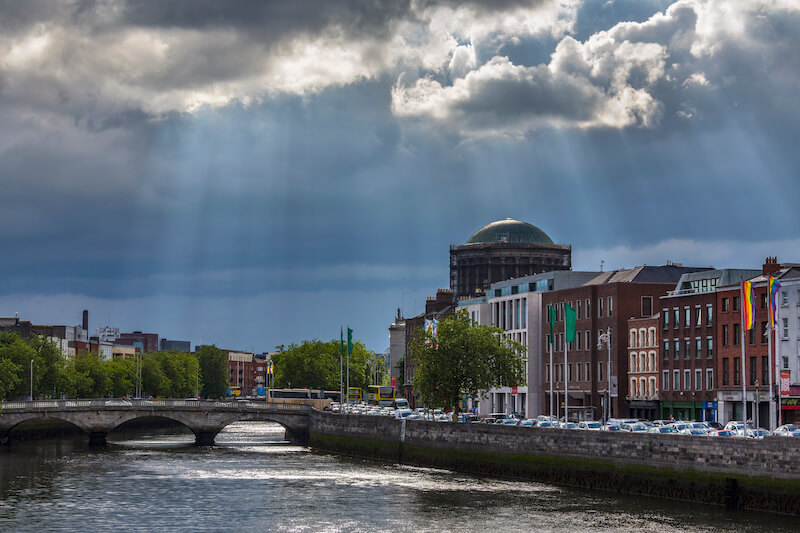
Ireland is a land steeped in history and myth, where ancient stones whisper tales from millennia past. One such place that encapsulates this rich heritage is Newgrange, a Neolithic marvel nestled within the verdant landscape of the Boyne Valley. In this blog post, we’ll journey through time as we explore one of Ireland’s most enigmatic and awe-inspiring sites. In this post, we’ll cover: Journey to Newgrange: A Newgrange Day Tour The allure of Newgrange beckons travellers from near and far, inviting them on an odyssey back 5,000 years to an era shrouded in mystery and grandeur. A Portal to Prehistory Upon approaching Newgrange, one cannot help but feel transported across ages—the massive stone structure is a silent testament to our ancestors’ ingenuity and spiritual depth. The grassy mounds surrounding the stone passage tomb seem to envelop you as you walk along the path leading up to the entrance, emphasising the feeling of crossing through a portal to another world and time. Embracing the Enigma As you walk towards its entrance, encircled by engraved kerbstones, it becomes clear that you are about to enter not just another historical site but a portal into Ireland’s soul. The intricate swirls and shapes carved into the stones starkly contrast against the weathered grey, representing artistic skills and mysterious meanings we can only guess today. A sense of anticipation and humility naturally arises when preparing to cross the threshold into Newgrange’s inner sanctum. The Historical Significance of Newgrange Newgrange isn’t merely an ancient site; it’s an echo from prehistory that has reverberated through time—touching hearts and sparking imaginations for generations. A Monumental Achievement Constructed during the Neolithic period around 3200 BC, Newgrange predates both Stonehenge and the Great Pyramids of Giza—a fact that often leaves visitors awestruck by its antiquity. Considered a masterwork of engineering for its time, the mound covering Newgrange stretches over an acre wide and stands nearly 30 feet high. The passage tomb stretches 60 feet into the mound, a testament to the skill and persistence of its Neolithic creators. A Ceremonial Centerpiece Believed by many scholars to have served religious or ceremonial purposes, its precise alignment with celestial events suggests that those who built it possessed advanced knowledge of astronomy. The central chamber’s corbelled stone ceiling reaches 20 feet high at its highest point, which some historians believe may have been intentionally designed to magnify and direct sunlight during solstice events, indicating great attention to detail regarding light patterns and their interaction with the tomb’s architecture. Planning Your Visit to the Boyne Valley A trip to Newgrange requires thoughtful planning; visiting such a significant landmark is more than sightseeing—it’s experiencing history firsthand. Timing Your Trip To fully appreciate what Newgrange offers without rush or crowd-induced stress, consider visiting outside during peak tourist seasons or early in the day when tranquillity lends itself well to reflection. Mornings tend to be less crowded and provide a more intimate exploration of the ancient site before tour groups arrive later. Be sure to give yourself plenty of time to walk around the exterior kerbstones and grass-covered mounds at your own pace. Booking Tours Guided tours are essential for accessing Newgrange’s inner chamber—an experience not to be missed—and can be booked online ahead of your visit for convenience. Due to conservation efforts, interior access is limited to groups of 20 on guided tours only. These tours last 30 minutes and depart regularly from the Brú na Bóinne Visitor Centre nearby. Advanced booking is highly recommended, especially if you plan to visit near the winter solstice. Discovering the Megalithic Passage Tomb Stepping inside Newgrange, you find yourself enveloped by darkness before being led deeper into its heart, where ancient stories linger in every crevice carved by Neolithic hands. Architectural Wonder The passage tomb stretches over 19 meters, leading up to a central chamber with three alcoves—each meticulously constructed without modern tools yet resilient against millennia. Massive slabs weighing up to 200 tons form the walls, etched with some of Western Europe’s most well-preserved megalithic art. While the mound and passage design provides stability, the corbelled ceiling is an architectural feat, built layer-by-layer with no supporting beams upward. Artistic Expressions Adorning walls are intricate spiral motifs alongside other megalithic art forms whose meanings remain subjects for debate among archaeologists today—symbols possibly denoting cosmological significance or spiritual beliefs held by their creators. These carvings offer a glimpse into the worldview of their Neolithic artists, their aesthetic sensibilities, and the tools used to etch the cryptic symbols into stone over 5,000 years ago. What stories and rituals might have taken place by torchlight within these chambers so long ago? We can only speculate today. The Winter Solstice Phenomenon at Newgrange Each year during the winter solstice—the shortest day of the year—a magical event unfolds within New Granges’ passage tomb as sunlight illuminates its inner sanctum, revealing why ancient peoples may have so revered it. Celestial Alignment For five days around December 21st each year (weather permitting), dawn breaks with rays penetrating perfectly aligned roof-box above the entrance, casting light upon the chamber floor—an intentional design showcasing builders’ astronomical precision. This alignment with the rising sun only occurs around the solstice, emphasising the intention and astronomical skill involved in Newgrange’s construction. Experiencing Solstice Magic While witnessing the solstice phenomenon first-hand requires winning the lottery due to limited space available annually, virtual experiences offer alternative glimpses into this enchanting moment, connecting us with our distant past. Imagine standing in the central chamber over 5,000 years ago as sunlight slowly fills the space, illuminating the intricate stone carvings in an awe-inspiring display reflecting builders’ spiritual beliefs. Exploring Surrounding Neolithic Sites: Knowth and Dowth Beyond New Granges’ confines lies the broader Brú na Bóinne complex, which includes other significant sites like Knowth & Dowth—each offering unique insights into Ireland’s neolithic legacy worth exploring if time permits. Knoweth’s Rich Heritage Knowth boasts the most extensive collection of megalithic art in Europe while featuring two opposite directions, suggesting different ceremonial uses compared to Newgrange. Excavations
Making Special Occasions Unforgettable with Chauffeur Hire in Dublin
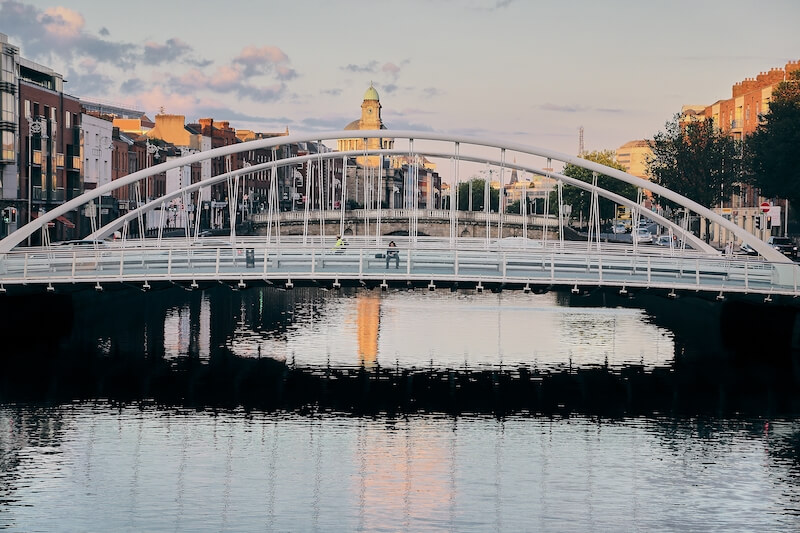
Introduction to Premier Chauffeur Service Hire Dublin Dublin is home to some of Ireland’s premier chauffeur services, offering luxury transportation with professional drivers for various occasions. Companies like Transfer Me provide top-notch vehicles and experienced chauffeurs to ensure safe, comfortable, and elegant journeys around Dublin and beyond. Focusing on customer service and reliability, this chauffeur service aims to make every ride pleasant and hassle-free. Their fleets include high-end Mercedes, perfect for special events, airport transfers, private tours, corporate travel, and more. The Luxury and Comfort of Chauffeur Services Chauffeur services provide an elite level of comfort and sophistication that elevates any ride. Passengers can indulge in luxury vehicles with amenities like leather interiors, climate control, charging ports, entertainment systems, and WiFi. Expert chauffeurs ensure that each client receives personalised attention and five-star treatment. Whether one needs transportation for a wedding, anniversary celebration, birthday event, or a night out on the town, chauffeur services guarantee that the journey will be as unique as the occasion. The focus is on providing unparalleled convenience and enjoyment so passengers can relax and enjoy the ride. Airport Transfers: A Stress-Free Experience Booking chauffeur services for airport transfers reduces travel stress by avoiding crowded buses or long taxi queues. Clients can arrange for meet-and-greet services where chauffeurs will be waiting at the arrival gate with help for luggage. The punctuality and time optimisation of chauffeur services give travellers ample time to get to their flight without worrying about traffic. Similarly, chauffeurs monitor flight times to be ready to pick up passengers right on time when they land in Dublin. This door-to-door convenience makes airport transfers effortless. Private Tours: Exploring Ireland with Personalised Itineraries Beyond airport rides, premier chauffeur services also provide private tours of Ireland customised to the client’s specific trip requirements. Travellers can choose from half-day or full-day tours, extended multi-day trips around the country or specialised tours focused on destinations like The Boyne Valley, Cork, The Burren and Cliffs of Moher, Kerry, Wicklow, and more. Based on the tourist’s interests and time availability, chauffeur tour guides will curate personalised itineraries to world-famous attractions like Irish castles, whiskey distilleries, scenic cliffs, or places highlighted in myths and legends. This private, flexible sightseeing allows travellers to experience Ireland at their own pace. Corporate Travel: Navigating the Business Landscape in Style Dublin chauffeur services play a crucial role in facilitating corporate travel requirements. Their reliability helps business travellers reach meetings on time without facing logistical challenges. Clients can schedule rides to events, golf courses, hotels, or restaurants to entertain potential clients or close business deals. Chauffeured vehicles allow professionals to remain productive on the go with amenities like laptop tables, WiFi, and phone chargers. Passengers can prepare for upcoming meetings and arrive focused, refreshed, and ready to take on intense business agendas. Companies can also book chauffeur services to transport essential clients and VIPs. Special Occasions: Adding Elegance to Celebrations From weddings and proms to bachelor/bachelorette parties and anniversary dinners, premier chauffeur services inject luxury and sophistication into special celebrations. Depending on the occasion’s needs, clients can choose from various vehicles, from standard sedans to ultra-luxurious Rolls Royce and limousines. Chauffeurs decorated in formal attire can pick up passengers from home and drive them to the event venue or restaurant. Some providers also offer coordinating transportation logistics for the wedding party as part of the packages. Ultimately, chauffeur services make sure every occasion feels extraordinary. Executive Events: Professional Transport Solutions for High-Profile Gatherings Dublin’s chauffeur companies have extensive experience providing transportation for executive events like galas, conferences, award shows, and VIP parties. Services include coordinating fleet dispatch based on guest count, devising efficient routes, and ensuring the highest safety standards. Luxury buses, vans, and cars help event organisers transfer attendees from their hotels to the venue and back. Chauffeur staff also assist guests with luggage and accessibility needs. With reliability as the focus, companies guarantee that all attendees will arrive punctually to avoid disrupting essential events. Fleet of Vehicles: Ensuring Quality and Luxury in Transportation Premier chauffeur providers only use late-model luxury vehicles like Mercedes. Options range from standard sedans to ultra-luxurious SUVs. Depending on passenger count and luggage capacity needs, Transfer Me offers luxury coaches, vans, minivans and limousines. Regular vehicle maintenance and cleanliness checks ensure the fleet is always pristine. Passengers can expect identical polished, high-end vehicles whether they book airport transfers or multi-day private tours. Keeping the lineup updated with the latest models guarantees a modern, technologically advanced experience. Safety Measures and Professional Standards in Chauffeur Services Customers can fully trust Dublin’s premier chauffeur services as they follow stringent safety and professional guidelines. Drivers undergo extensive training, background checks, and licensing verification before operating vehicles. They are also trained in first aid and customer service protocols. Vehicles contain safety technology like GPS tracking, backup cameras, and emergency systems. Companies hire experienced drivers with comprehensive knowledge of Ireland’s roads and terrain. By prioritising road safety and regulatory compliance, chauffeur services provide complete peace of mind. Booking Procedures, Cancellations, and Customer Service Policies Booking chauffeured vehicles is convenient through provider websites and phone contacts. Customers can expect prompt responses from helpful sales staff who are ready to answer questions and tailor rides to occasion needs. During the ride, passengers can reach customer support in case of emergencies, changes in itinerary, or any other requests to enhance the experience. Excellent customer service and reliability are the main priorities from booking to final arrival. The Role of Trained Chauffeurs in Enhancing the Travel Experience The professional training and expertise of chauffeurs set Dublin’s premier companies apart. Drivers undergo extensive preparation covering vehicle handling, navigation, client interactions, and local knowledge before operating independently. Many boast years of experience navigating Ireland’s landscape. Friendly, presentable drivers fluent in English help foreign tourists by sharing information about Irish culture and landmarks. Their familiarity with destinations allows them to choose optimal routes based on traffic and road conditions. Chauffeurs let passengers relax and take in the ride by taking on navigation duties.
Bective Abbey
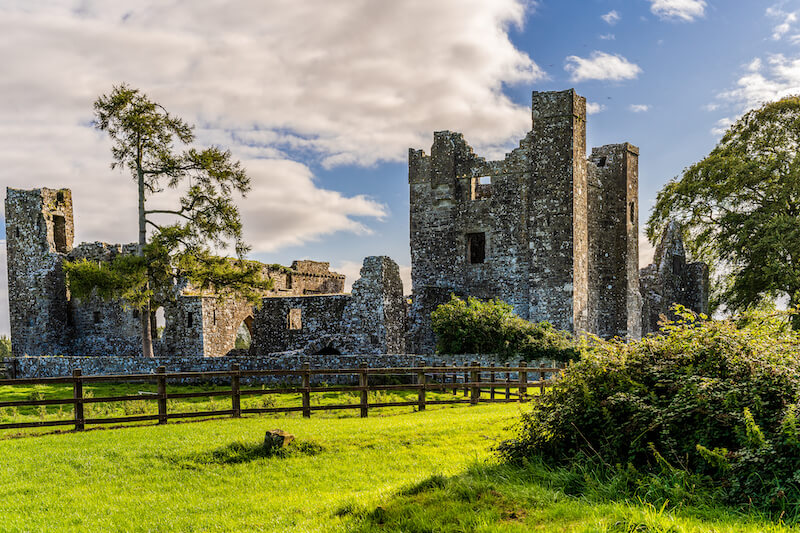
What is Bective Abbey? Bective Abbey stands as an iconic testament to Ireland’s rich historical and architectural heritage. Nestled in the Boyne Valley scenic countryside of County Meath, this ancient monastery holds within its ruins tales of religious devotion, architectural marvels, and a captivating history that echoes through the ages. Unveiling Bective Abbey’s Rich History The Origins Bective Abbey, founded in 1147 by Murchadh O’Maeil-Sheachlainn, the King of Meath, was initially home to the Cistercian monks. Situated along the tranquil banks of the River Boyne, its strategic location facilitated both spiritual contemplation and economic sustenance. The Cistercians, known for their dedication to simplicity and hard work, established the abbey as a hub of religious fervour and agricultural productivity. Architectural Marvels The abbey’s architecture was a testament to the skilled craftsmanship of the time. The remains showcase intricate stonework, towering walls, and ornate detailing, offering a glimpse into the past glory of this once-thriving monastic community. The graceful arches, remnants of the cloister, and the impressive tower reflect the grandeur that defined mediaeval ecclesiastical structures. The Rise and Fall: Historical Significance Religious Life Bective Abbey flourished as a centre for religious life, fostering spiritual growth and intellectual pursuits. The monks’ dedication to prayer, manual labour, and scholarly endeavours enriched both the abbey and the surrounding community. Manuscript illumination, agricultural advancements, and theological studies were integral facets of life within the abbey’s walls. Challenges and Decline Despite its initial success, Bective Abbey faced numerous challenges throughout its existence. The tumultuous historical landscape of Ireland, marked by political strife and religious conflicts, took its toll on the monastery. The dissolution of the monasteries in the mid-16th century, instigated by King Henry VIII’s policies, led to the decline of Bective Abbey. The once-thriving community fell into disrepair and eventual abandonment. Legends and Lore: Mystique Surrounding Bective Abbey Ghostly Tales Bective Abbey, like many ancient sites, carries its fair share of ghostly legends. Local folklore speaks of spectral monks wandering the ruins, whispering prayers and haunting the corridors of the abbey. These tales add an air of mystery and intrigue to the already captivating historical site, drawing in curious visitors seeking a glimpse of the supernatural. Cultural Influence The allure of Bective Abbey extends beyond its historical significance. Its picturesque setting has attracted artists, writers, and filmmakers, serving as a backdrop for various creative endeavours. The abbey’s haunting beauty and evocative ambiance have been captured in paintings, novels, and films, contributing to its enduring cultural legacy. Preservation Efforts: Reviving Bective Abbey’s Legacy Conservation and Restoration In recent years, concerted efforts have been made to preserve and protect the remaining structures of Bective Abbey. Conservation initiatives aim to maintain the architectural integrity of the ruins while ensuring accessibility for visitors. Collaborations between historical societies, government bodies, and local communities have played a pivotal role in safeguarding this cherished piece of Ireland’s heritage. Tourism and Education Bective Abbey’s significance as a historical and cultural landmark has led to increased tourism and educational initiatives. Guided tours, educational programs, and interpretive displays provide visitors with a deeper understanding of the abbey’s history and its place within Ireland’s broader historical narrative. These efforts not only promote awareness but also contribute to the local economy. Visitor Information Frequently Asked Questions about Bective Abbey What is Bective Abbey used for now? Bective Abbey, a remarkable example of Cistercian architecture, primarily serves as a historical site open to the public for visits and tours. It offers a unique glimpse into Ireland’s medieval monastic life and architecture. While no longer functioning as a monastic institution, it is a monument to the country’s rich heritage. It is a popular location for educational trips, photography, and those interested in history and architecture. What movie was filmed in Bective Abbey? Bective Abbey has been a filming location for several productions due to its well-preserved medieval architecture and scenic surroundings. Notably, it was featured in “Braveheart” (1995), directed by and starring Mel Gibson. The abbey provided a dramatic backdrop for several scenes in this Oscar-winning historical drama. Who lived in Bective Abbey? Initially founded in 1147, Bective Abbey was home to the Cistercian monks who were part of the order that originated from France. These monks led a life dedicated to prayer, manual labour, and religious devotion, following the Rule of St. Benedict. Throughout its history, the abbey housed a community of monks who played a significant role in the religious and agricultural life of the area until its dissolution in the 16th century. What are the facts about Bective Abbey? Where in Ireland was the last duel filmed? “The Last Duel,” directed by Ridley Scott and released in 2021, filmed several of its scenes in various locations across Ireland, including Bective Abbey County Meath, County Wicklow, and County Dublin. The production took advantage of Ireland’s historic castles and lush landscapes to recreate the medieval setting of the movie. What parts of the last duel were filmed in Ireland? “The Last Duel” utilised multiple locations across Ireland to bring its story to life. Specific areas in Ireland that hosted the production include the Bective Abbey in County Meath, Cahir Castle in County Tipperary, and the Dublin Castle in County Dublin. These sites were chosen for their authentic medieval atmosphere and architecture. How old is the Bective Abbey? Bective Abbey was founded in 1147, making it nearly 877 years old as of 2024. Over the centuries, it has witnessed numerous historical events and changes, surviving as a prominent monument to Ireland’s medieval past. Conclusion: Bective Abbey, a Timeless Treasure Bective Abbey stands as more than just a collection of ancient ruins; it embodies the spirit of centuries past, preserving a legacy of faith, resilience, and architectural splendour. Its enduring presence serves as a bridge between the past and the present, inviting visitors to explore and appreciate the rich tapestry of Ireland’s history. As efforts continue to safeguard its heritage, Bective Abbey remains a timeless treasure, captivating the hearts and minds of all who wander its hallowed grounds.
The Hill of Tara: Echoes of Ancient Ireland
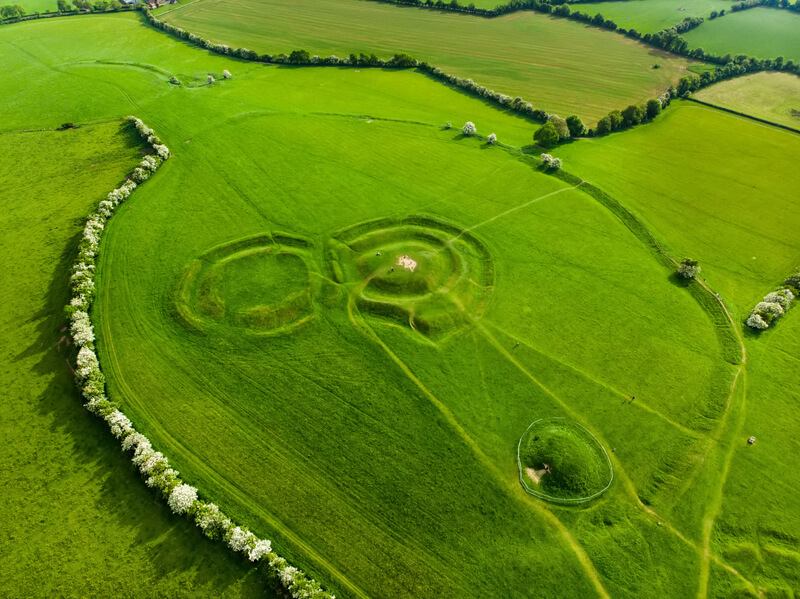
What is the Hill of Tara? Perched atop the rolling landscapes of County Meath, Ireland, the Hill of Tara stands as a timeless sentinel to the ancient world. This verdant mound, steeped in Celtic mythology and riddled with historical significance, was once the royal seat of Ireland’s high kings. Introduction In this comprehensive guide, we’ll delve deep into the history and importance of the Hill of Tara, exploring its role as a royal seat, its ties to Celtic mythology, its connection to other ancient sites, and the enchanting scenic views that beckon visitors to the Boyne Valley from afar. Unraveling the Hill of Tara’s History and Significance A Royal Seat and Historical Nexus The Royal Seat: The Hill of Tara, also known as Teamhair na Rí in Irish, was the political, spiritual, and cultural hub of ancient Ireland. It served as the royal seat of the high kings, where they were crowned and where major decisions were made. Archaeological Significance: The site boasts a rich tapestry of archaeological remains, including burial mounds, ancient roadways, and a series of earthen banks and ditches that once enclosed the site. These remnants tell the story of a place of great power and influence. Historical Timeline: The history of the Hill of Tara spans thousands of years, with its origins dating back to the Neolithic period. It was continually used and modified by various peoples throughout Irish history, leaving an indelible mark on its landscape. The Royal Seat of Ancient Ireland High Kings and Ceremonial Significance High King of Ireland: Tara was the center of power, where the high kings of Ireland were crowned. It served as a symbol of unity, where the various Irish provinces came together under a single ruler. The Lia Fáil, the Stone of Destiny, was used for coronations and remains a key artifact at Tara. Ceremonial Complex: The Tara complex included a series of ringforts, or raths, that housed the kings, their retinues, and the ruling elite. The banqueting hall, known as the Forradh, was where celebrations and feasts took place. Mythological Connection: Tara’s importance transcended the physical realm; it was linked to the realm of the Tuatha Dé Danann, the supernatural race in Celtic mythology. The site was believed to be a place where the two worlds intersected, making it a portal between the mortal and divine. Celtic Mythology: A Tapestry of Legends The Mythological Landscape Celtic Mythological Significance: Tara is steeped in Celtic mythology, serving as the setting for many ancient tales. It was associated with the goddess Medb and the hero Cúchulainn, and its landscape was believed to hold supernatural elements. The Sacred Well of Tara: The Mound of the Hostages at Tara houses a sacred well that was believed to hold powerful, mystical properties. Pilgrims would visit to seek healing, renewal, and wisdom. Mythological Entities: The Hill of Tara was said to be home to otherworldly beings, including the fairy folk known as the Aos Sí. The connection to the supernatural made Tara an enigmatic place in Celtic folklore. The Hill of Tara’s Connection to Other Ancient Sites A Sacred Network Tara and the Boyne Valley: The Hill of Tara is intricately linked to the Boyne Valley, home to other ancient sites such as Newgrange and Knowth. The alignment of these sites and their shared astronomical significance is a testament to the advanced knowledge of the people who built them. Tara and the Hill of Uisneach: The Hill of Tara is also connected to the Hill of Uisneach, another significant site in Irish mythology. It was believed that fires were lit on Uisneach and could be seen from Tara, signifying the connection between these two sacred locations. Tara and Loughcrew Cairns: The alignment of Tara with the Loughcrew Cairns and their respective equinox events reinforces the theory that these ancient sites were not isolated but part of a broader network of cultural and astronomical significance. Scenic Views from Tara: A Panorama of Beauty A Visual Feast Sweeping Vistas: The Hill of Tara offers panoramic views of the surrounding Irish countryside. Visitors are treated to a visual feast, with lush green fields, rolling hills, and distant horizons that stretch to the ancient Boyne Valley. Symbiosis of Nature and History: The juxtaposition of Tara’s historical significance with its stunning natural beauty creates a unique atmosphere where visitors can reflect on the past while immersed in the present. A Place of Contemplation: The scenic beauty of Tara invites visitors to contemplate the history, mythology, and cultural significance of the site. It’s a place to connect with the land, its people, and the enduring legacy of the Hill of Tara. Visiting the Hill of Tara Practical Information Visitor Center: The visitor centre at the Hill of Tara offers valuable information about the site’s history, significance, and visitor facilities. It’s a great starting point for those exploring Tara. Guided Tours: Guided tours are available and highly recommended for a deeper understanding of Tara’s history, mythology, and cultural importance. Respect for the Site: Tara is a place of historical, cultural, and spiritual significance. Visitors are encouraged to treat the site with respect, as it is a place of reverence for many.
Oldbridge and the Battle of the Boyne: Unraveling History’s Epic Clash
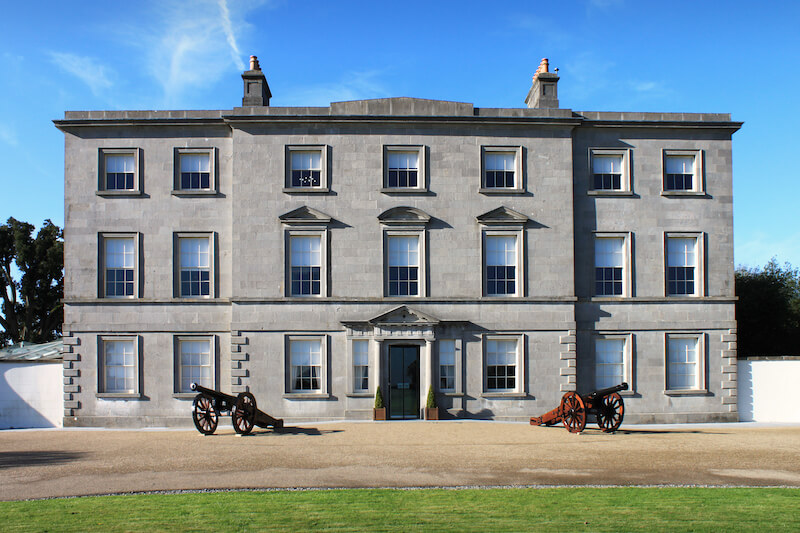
Oldbridge, a serene and picturesque location along the banks of the River Boyne in County Meath, Ireland, conceals a dramatic and historic secret. This unassuming landscape was once the backdrop for the Battle of the Boyne, one of the most consequential battles in Irish history. In this comprehensive guide, we embark on a journey through time to explore Oldbridge and the Battle of the Boyne, diving deep into its historical significance, the key players, the Jacobite War, and the immersive battle reenactments that keep the past alive. Oldbridge & Battle of the Boyne History A Defining Moment in Irish History Historical Significance: The Battle of the Boyne, fought on July 1, 1690, was a pivotal event that changed the course of Irish and British history. It marked the climax of the Glorious Revolution and the struggle for the English, Scottish, and Irish thrones. Williamite War: The battle was the culmination of the Williamite War in Ireland, a conflict between the deposed Catholic King James II and the Protestant King William III of Orange. This battle would determine the destiny of Ireland. Outcome: King William’s victory at the Battle of the Boyne firmly established Protestant rule in Ireland and ensured that the Glorious Revolution would shape the future of the British Isles. King William of Orange The Protestant King William III: William III, Prince of Orange, ascended to the English, Scottish, and Irish thrones in 1689. His reign was marked by his staunch Protestantism and his desire to consolidate Protestant power. The Glorious Revolution: William’s reign was closely tied to the Glorious Revolution of 1688-1689, a turning point in British history where he, along with his wife Mary, overthrew James II and established a constitutional monarchy. Leadership at the Boyne: William’s leadership at the Battle of the Boyne solidified his place in history as the Protestant king who secured his claim to the throne and preserved Protestant rule in Ireland. Jacobite War The Struggle for the Catholic Cause James II: James II, a Catholic monarch, was deposed from the English and Scottish thrones in the Glorious Revolution. He sought refuge in Catholic Ireland and garnered support from Irish Catholics. Jacobite Army: James II’s supporters, known as Jacobites, formed an army to resist William’s forces. The Battle of the Boyne was the culmination of their efforts to restore James to the throne. Consequences: The defeat of the Jacobite army at the Battle of the Boyne led to a series of penal laws and restrictions against Catholics in Ireland, severely impacting their rights and property. Battle Reenactments of The Battle of the Boyne Reliving the Past Battle Reenactments: The Battle of the Boyne is commemorated annually with reenactments that bring the history to life. These events feature costumed participants, historical accuracy, and immersive experiences. Historical Accuracy: Reenactments strive for historical accuracy, with participants using period weapons, costumes, and tactics to recreate the drama and tension of the battle. Educational Significance: These reenactments serve as educational tools, helping visitors understand the complexities of the battle and its impact on Ireland’s history. Oldbridge Today: A Place of Historical Significance Visiting Oldbridge Historical Landscape: Today, Oldbridge stands as a testament to the battle that took place there over three centuries ago. The battlefield, visitor center, and interpretive exhibitions offer insights into the battle’s significance. Battlefield Tours: Guided tours allow visitors to explore the battlefield, retrace the steps of the soldiers, and gain a deeper understanding of the battle’s dynamics. Visitor Center: The visitor center at Oldbridge provides a comprehensive overview of the Battle of the Boyne, the key players, and the broader historical context. Commemorating the Battle of the Boyne Annual Celebrations Twelfth of July: The Battle of the Boyne is commemorated annually on July 12th, known as the Twelfth of July. This date is significant for Orange Order parades and commemorations throughout Northern Ireland. Cultural Significance: The Battle of the Boyne has deep cultural and political significance in Northern Ireland, often intersecting with broader discussions about identity, religion, and heritage. Balance and Understanding: While the battle has been a source of division, efforts have been made to promote balanced and inclusive interpretations that acknowledge the perspectives of all involved. Conclusion: The Echoes of History at Oldbridge Oldbridge, along the serene banks of the River Boyne, holds within its soil the echoes of a momentous battle that shaped the course of Irish and British history. The Battle of the Boyne, fought on this very ground, was a pivotal event that redefined political, religious, and cultural landscapes. As we walk in the footsteps of the soldiers who once clashed on this battlefield, we are reminded of the enduring significance of history and the complex legacies of the past. Oldbridge serves as a living testament to the events of 1690, offering us a glimpse into a world where the echoes of history continue to resonate across the centuries.